Understanding the psychology behind casino gambling What drives players to risk it all
The Allure of Risk and Reward
The psychology of casino gambling is deeply rooted in the allure of risk and reward. For many players, the thrill of potentially winning large sums of money is intoxicating. This phenomenon is often referred to as the “gambling high,” which can trigger the release of dopamine, a neurotransmitter associated with pleasure and reward. When players engage in gambling, they enter a heightened state of excitement, particularly when they place bets or spin the reels. This anticipation can create a rush that keeps players coming back for more, regardless of the potential for loss, making payid pokies an appealing option for many.
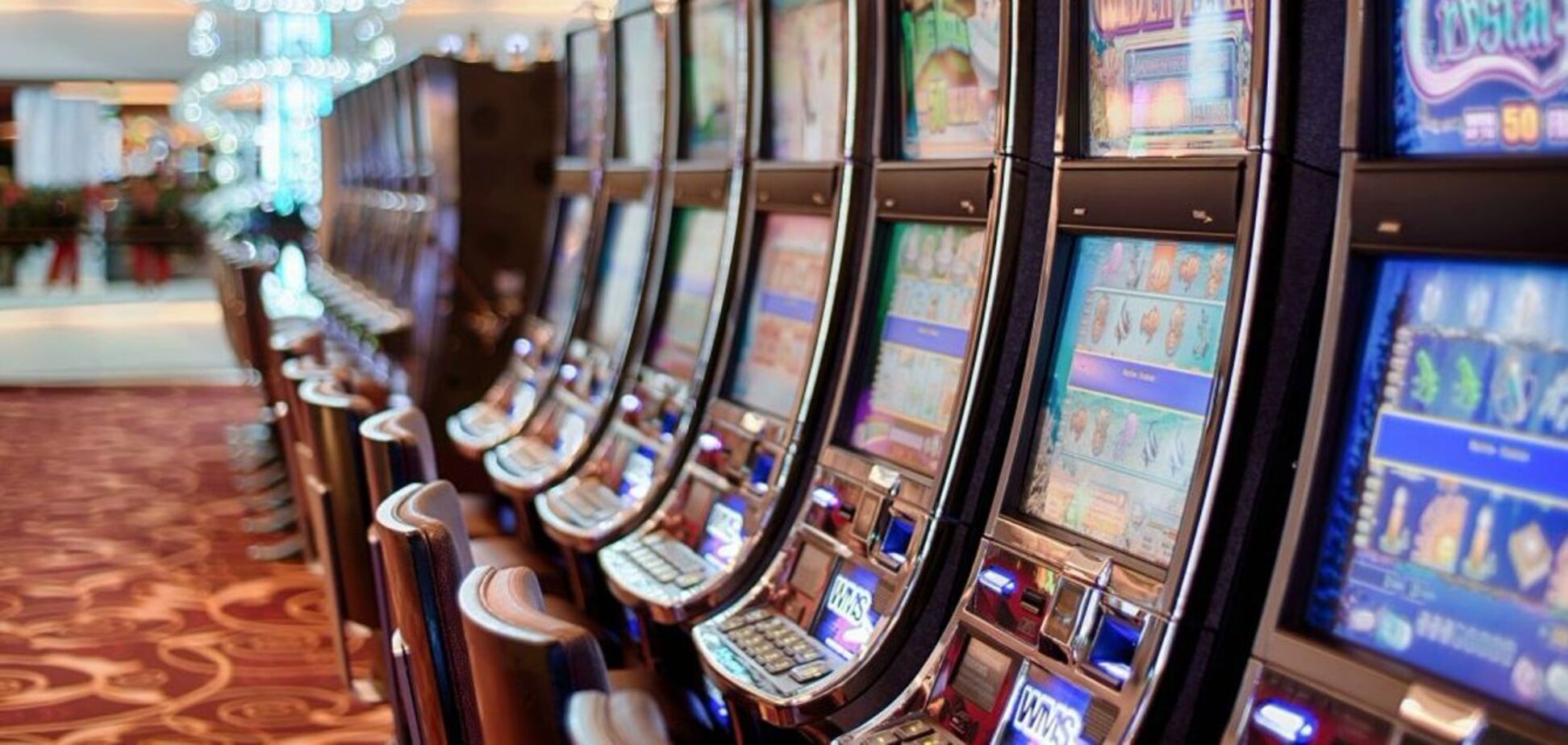
Moreover, the design and ambiance of casinos play a significant role in enhancing this experience. Bright lights, loud noises, and the constant movement of other players create a stimulating environment that heightens emotional arousal. This sensory overload can lead to impulsive decision-making, causing players to gamble more than they originally intended. As players become engrossed in this environment, the initial rational thought of budgeting and responsible gambling often diminishes, leading them to risk more than they can afford.
Additionally, the illusion of control can significantly impact a player’s decision to gamble. Many individuals believe that they can influence the outcomes of games, particularly in skill-based games like poker. This sense of control can lead to overconfidence, prompting players to make larger bets or take unnecessary risks. Thus, the intertwining of excitement, environmental stimulation, and the psychological need for control contributes to the compelling urge to gamble, often resulting in substantial financial risk.
The Impact of Social Connections
Social connections can greatly influence gambling behavior, as many players enjoy the communal aspect of gaming. Engaging with others in a casino setting can enhance the experience, making players feel part of a larger community. This social element can create pressure to participate and gamble more than one might do in isolation. The desire to fit in or impress peers can drive individuals to take risks that they might not consider if they were alone.
Additionally, the rise of online gambling platforms has transformed how players interact with one another. Social media plays a pivotal role in this evolution, with platforms enabling gamblers to share their experiences, wins, and strategies. This online socialization can create a competitive atmosphere, where individuals feel compelled to showcase their skills or success. This peer influence often drives players to engage in riskier behavior, as they seek validation and acceptance within their social circles.
Moreover, the sharing of gambling stories and victories on social media can inadvertently glamorize the lifestyle. Players may become enamored with the high-stakes narratives presented online, leading to the misconception that gambling can be a reliable source of income or a path to luxury. Consequently, this societal portrayal can further entrench the belief that risking it all is not only acceptable but expected among peers, intensifying the desire to gamble.
Psychological Triggers and Behavioral Patterns
The psychological triggers associated with casino gambling can lead to various behavioral patterns that influence a player’s choices. Cognitive biases, such as the “gambler’s fallacy,” can affect decision-making, where players believe that past outcomes influence future results. For instance, if a player has lost multiple times in a row, they may feel that a win is “due,” leading them to increase their stakes in hopes of recouping losses. This flawed thinking can lead to greater financial risk and deeper losses.
Additionally, emotions play a crucial role in gambling behavior. Feelings of stress, anxiety, or even excitement can prompt players to gamble as a means of escape. This emotional coping mechanism can be particularly dangerous, as individuals may use gambling to distract themselves from personal issues or to alleviate negative emotions. In such cases, gambling becomes less about entertainment and more about a harmful habit that can spiral out of control.
Furthermore, the role of addiction cannot be ignored. For some individuals, the thrill of gambling can transform into a compulsive behavior, leading to gambling addiction. The drive to chase losses or continuously seek the initial high of winning can create a cycle that is difficult to break. Understanding these psychological triggers and their impact on behavior is essential for recognizing the risks associated with gambling and the importance of seeking help when necessary.
The Role of Marketing and Casino Environment
The marketing strategies employed by casinos are meticulously crafted to appeal to psychological triggers. Promotions, bonuses, and loyalty programs are designed to attract players and keep them engaged. Casinos often use techniques such as “near misses,” where players come close to winning but ultimately lose, creating a sense of false hope. This can lead to increased gambling behavior, as players feel motivated to continue playing in pursuit of that elusive win.
Moreover, the physical layout of casinos is intentionally designed to maximize player engagement. With no clocks or windows, players can easily lose track of time, leading to extended gambling sessions. The absence of natural light and the use of comfortable seating can create an environment where players feel at ease, encouraging them to stay longer and gamble more. This strategic design plays into the psychological aspects of addiction, making it easier for players to lose sight of their original intentions.
Additionally, casinos often employ staff who are trained to engage with players, further enhancing the social aspect of gambling. Friendly dealers and waitstaff can create a welcoming atmosphere, making players feel valued and appreciated. This social interaction can lead to increased spending and a deeper emotional connection to the gaming experience. Such environments not only foster enjoyment but also cultivate a sense of loyalty, making players more likely to return, even when faced with significant losses.

Exploring Responsible Gambling Resources
As the popularity of gambling continues to grow, so does the importance of promoting responsible gambling. Many organizations are dedicated to educating players about the risks associated with gambling and providing resources for those struggling with addiction. Websites offer tools such as self-exclusion programs, budgeting calculators, and links to support groups to help individuals manage their gambling behavior.
Furthermore, raising awareness about the psychological aspects of gambling can empower players to make informed decisions. Understanding the triggers that lead to risky behavior is crucial in preventing addiction and promoting healthier habits. By fostering a culture of responsible gambling, players can enjoy the thrill without succumbing to the dangers associated with excessive risk-taking.
In addition to educational resources, some casinos have implemented measures to encourage responsible gambling, such as signage about the risks of gambling and the availability of help. This shift towards promoting awareness not only benefits players but also enhances the overall integrity of the gaming industry. By prioritizing player well-being, the gambling community can create a safer environment for all involved, ultimately reducing the negative psychological impacts associated with gambling.
Like this post? Subscribe to my RSS feed and get loads more!

No comments yet